

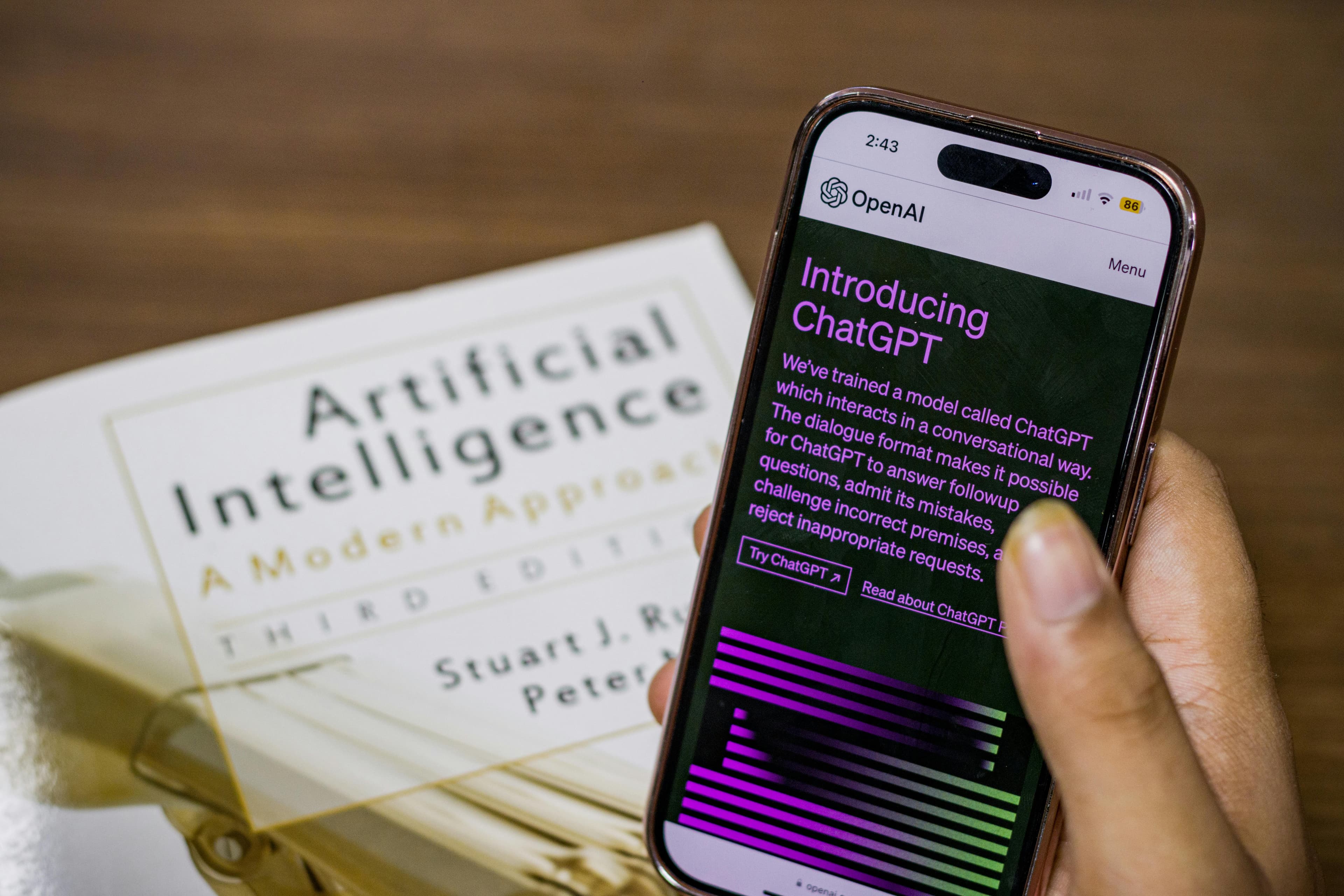
AI is everywhere right now—and that's exactly why many business leaders feel stuck.
Between bold promises, confusing tools, and pressure to "do something with AI," it's easy to either rush into the wrong solution or do nothing at all. The truth is: AI works best when it's grounded in real business needs, not trends.
If you're wondering how to get started—without wasting time, money, or trust—this guide is for you.
Step 1: Start With the Problem, Not the Tool
The most common AI mistake? Buying software before understanding the problem.
Before you think about platforms or models, ask:
- Where are we losing time every week?
- What decisions rely on incomplete or delayed information?
- Which processes are repetitive, manual, or error-prone?
- Where are customers or staff getting frustrated?
AI is most effective when it:
- Reduces friction
- Improves consistency
- Accelerates decision-making
- Frees people to focus on higher-value work
If you can clearly describe the problem, you're already ahead of most companies.
Step 2: Understand What AI Is (and Isn't)
AI is not a replacement for your team—and it's not magic.
In practical business terms, AI is best used as:
- A pattern recognizer (finding insights in data)
- A process assistant (automating routine tasks)
- A decision support tool (surfacing options faster)
- A communication layer (summarizing, routing, responding)
It works with your people, not instead of them. The strongest results come from human + AI collaboration, not full automation.
Step 3: Focus on High-Impact, Low-Risk Use Cases First
You don't need an enterprise-wide AI transformation to start seeing value.
Some of the best early wins include:
- Automating internal workflows and approvals
- Summarizing meetings, calls, or documents
- Improving customer response times
- Cleaning and organizing operational data
- Enhancing reporting and forecasting
These use cases are:
- Easier to implement
- Faster to measure
- Less disruptive to teams
- More likely to earn internal buy-in
Think assistive, not disruptive—at least at the start.
Step 4: Get Your Data (and Systems) in Order
AI is only as good as the systems it connects to.
Before layering in intelligence, make sure:
- Your core systems are integrated (CRM, ERP, websites, apps)
- Data is reasonably clean and accessible
- Permissions and security are clearly defined
- Ownership and accountability are established
This doesn't mean everything has to be perfect—but AI should sit on top of stable foundations, not patch over broken processes.
Step 5: Keep People at the Center
The biggest risk with AI isn't technical—it's cultural.
Successful adoption requires:
- Clear communication about what AI will and won't do
- Training that focuses on confidence, not fear
- Transparency around decisions and data usage
- Space for feedback and iteration
When teams understand how AI supports them, adoption rises. When they feel replaced or excluded, resistance follows.
Step 6: Measure What Matters
AI should earn its place in your business.
From the start, define success in business terms:
- Time saved
- Errors reduced
- Revenue protected or increased
- Faster turnaround
- Improved customer experience
If you can't measure it, you can't justify it—and AI should always justify itself.
The Real Goal: Better Systems, Not More Technology
Getting started with AI isn't about chasing innovation—it's about building smarter systems that support real people doing real work.
When approached thoughtfully, AI becomes:
- A multiplier, not a distraction
- A support layer, not a black box
- A long-term asset, not a short-term experiment
The companies that win with AI aren't the ones moving fastest—they're the ones moving intentionally.
Thinking about where AI fits in your business?
Start small. Stay human. Build on purpose.
If you'd like help identifying the right first step—or making sure your foundations are ready—we're happy to explore it with you.